

01 - Civilizations
Mapping the Birthplaces of Civilization
Long before modern cities and countries existed, early people began settling near rivers. These rivers weren’t just sources of water, they were the lifeblood of entire civilizations. In this section, you will explore four of the world’s earliest civilizations: Mesopotamia, Egypt, the Indus Valley, and Ancient China. You’ll discover how geography shaped the way people lived, worked, and built their societies.
You’ll learn how rivers provided:
Transportation routes for travel and trade,
Fresh water for drinking and farming
Fertile soil for growing crops
A steady food supply that helped cities grow.
Each civilization developed its own culture, government, and inventions. But they all had one thing in common: they started near a powerful river.
As you read, think about these big questions:
Why did people choose to live near rivers?
How did the land and water around them shape their daily lives?
What made each civilization unique?
Get ready to trace the roots of human history by mapping the earliest builders of the world!
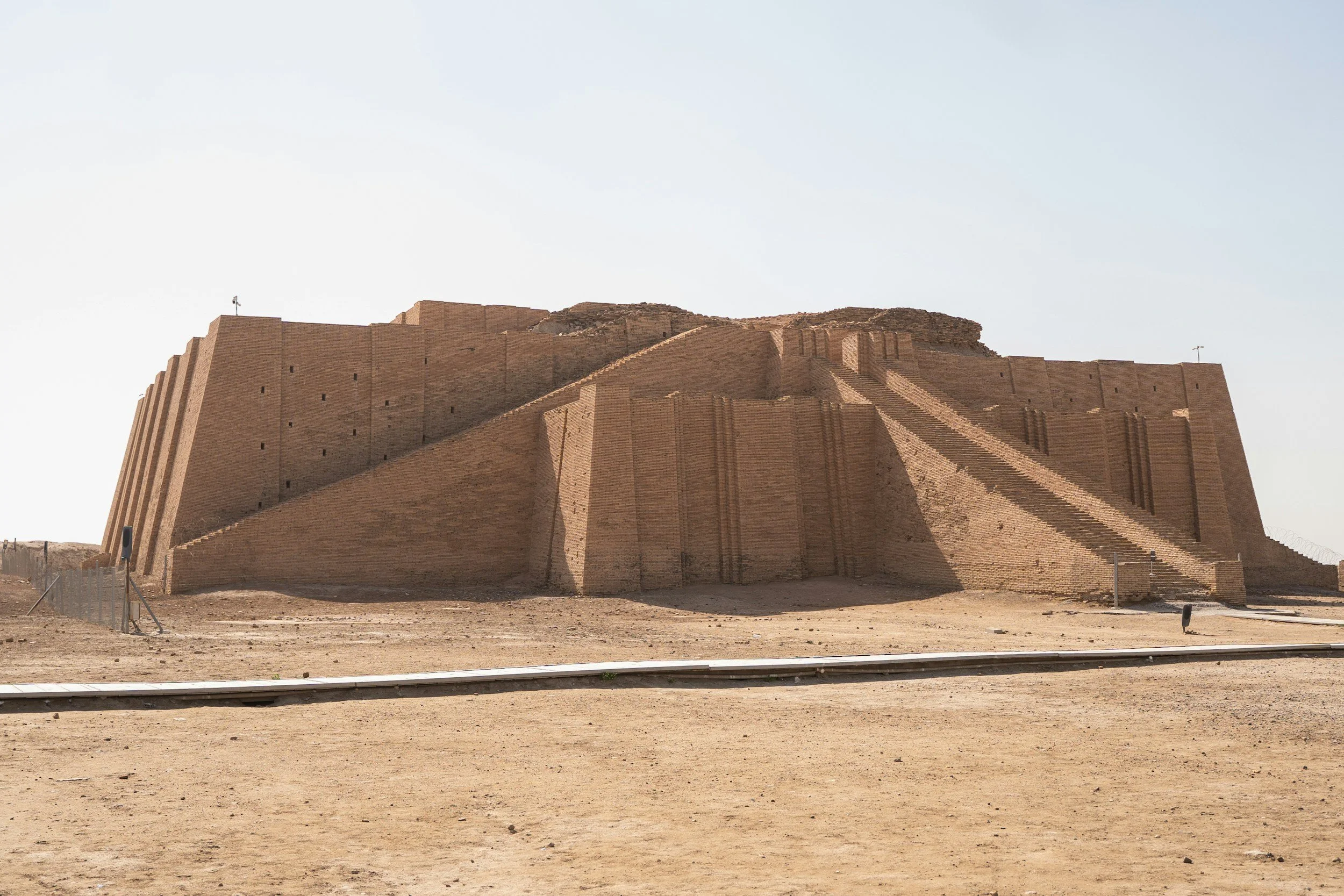
Mesopotamia

Nile River Valley
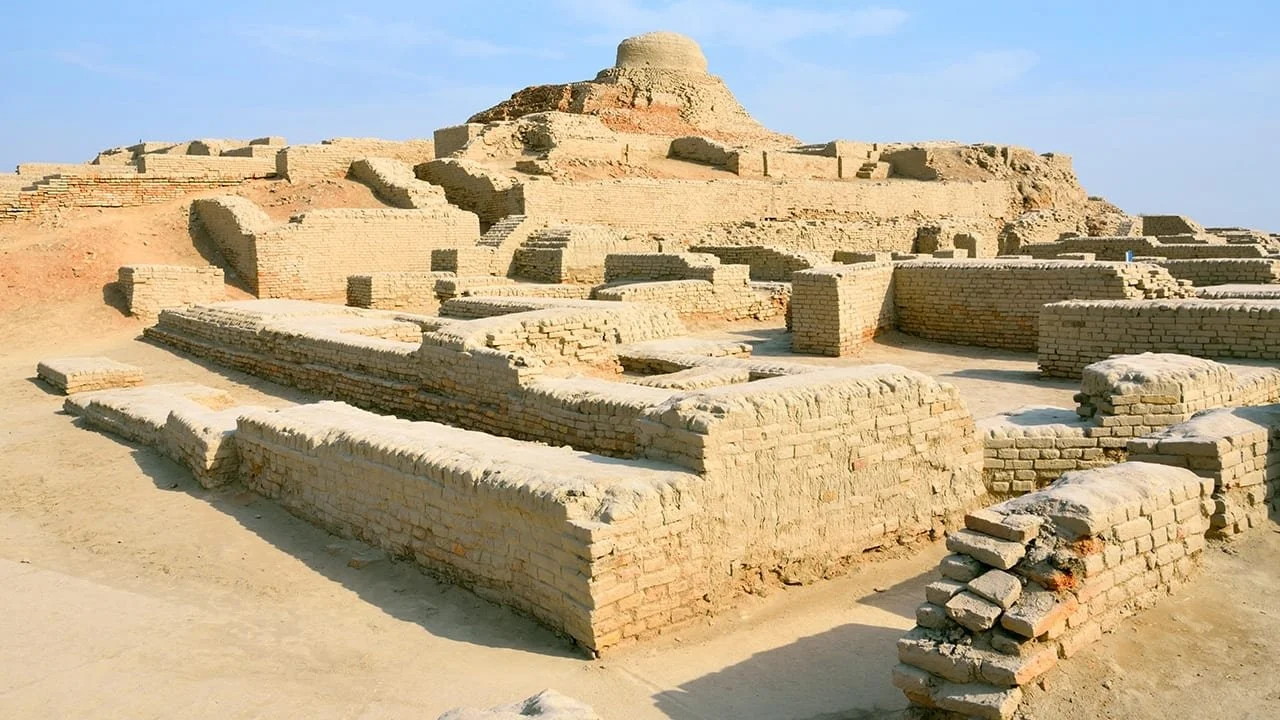
Indus River Valley
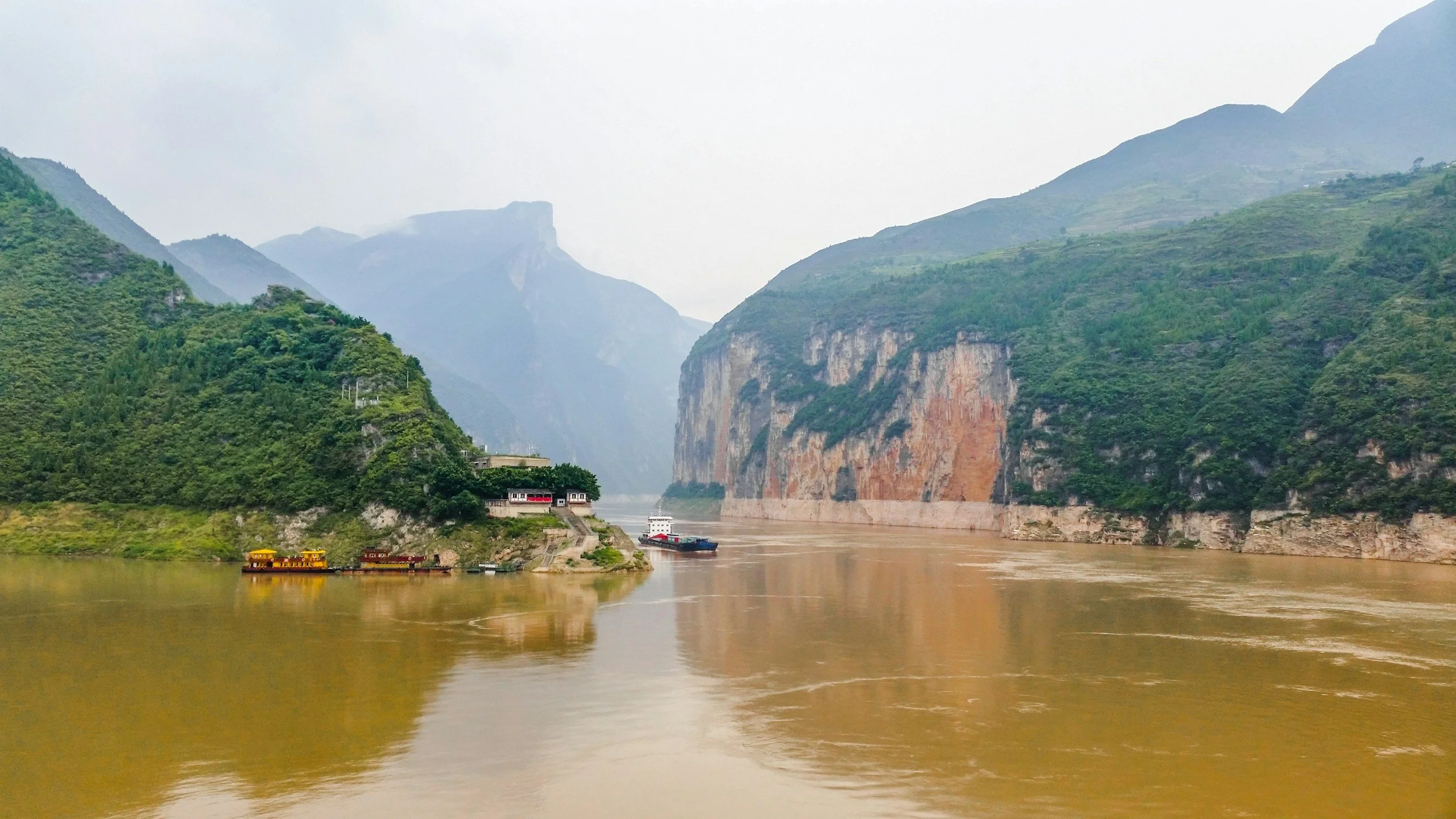
Yellow River Valley
River Valley Mapping Activity
As we explore the earliest civilizations in human history, it is important to understand how geography played a key role in where people chose to settle and build their communities. Civilizations like Mesopotamia, Egypt, India, and China all developed along major rivers. These rivers provided water, food, fertile soil, and transportation which are essential for survival and growth. In this activity, you will map out the locations of these ancient civilizations and reflect on how geography influenced their development.
Directions: Use the attached blank map to complete the assigned tasks. Be sure to label each river, shade the area of the civilization, and complete the map key. When you're finished, answer the analysis questions using complete sentences.
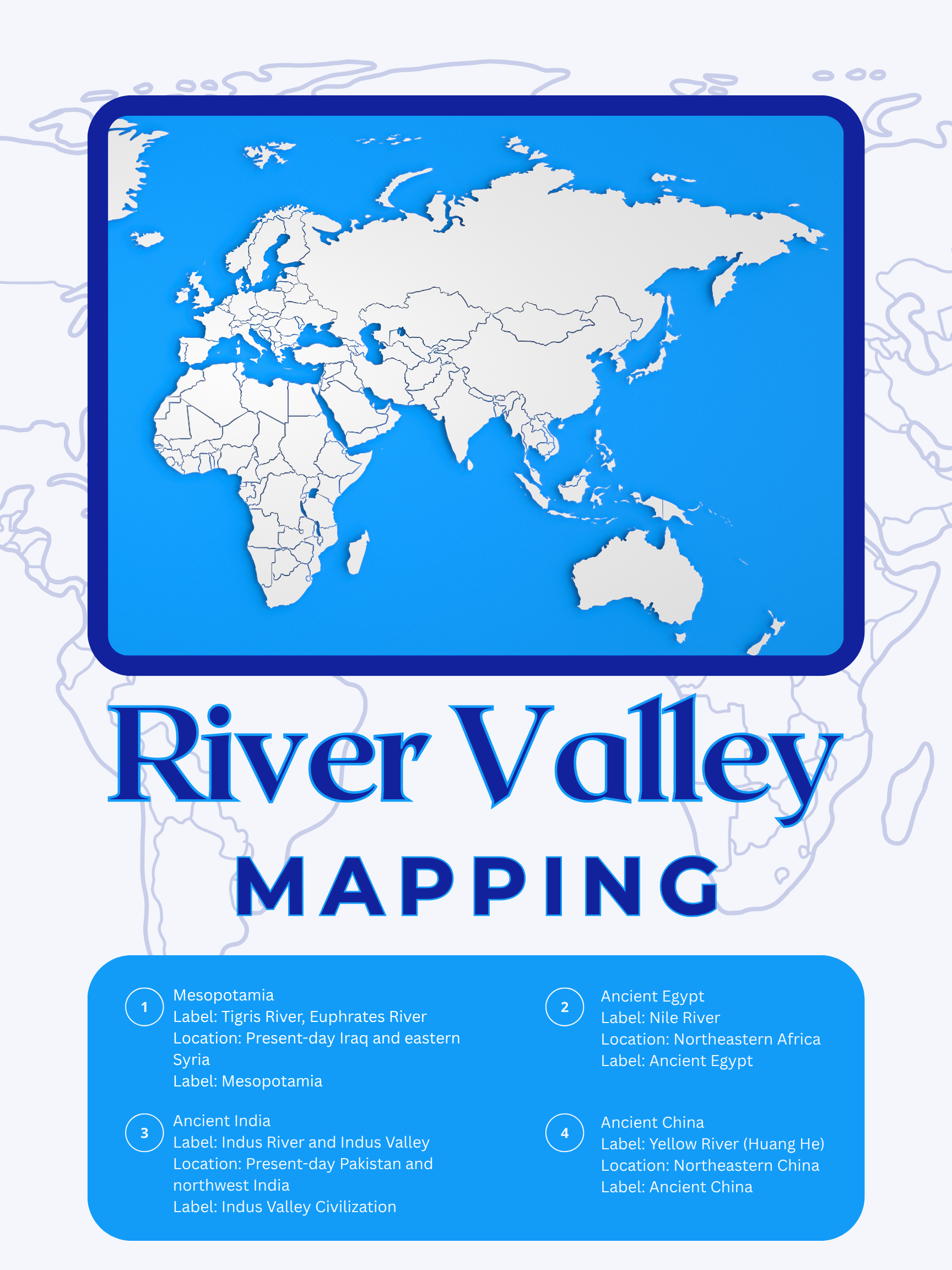
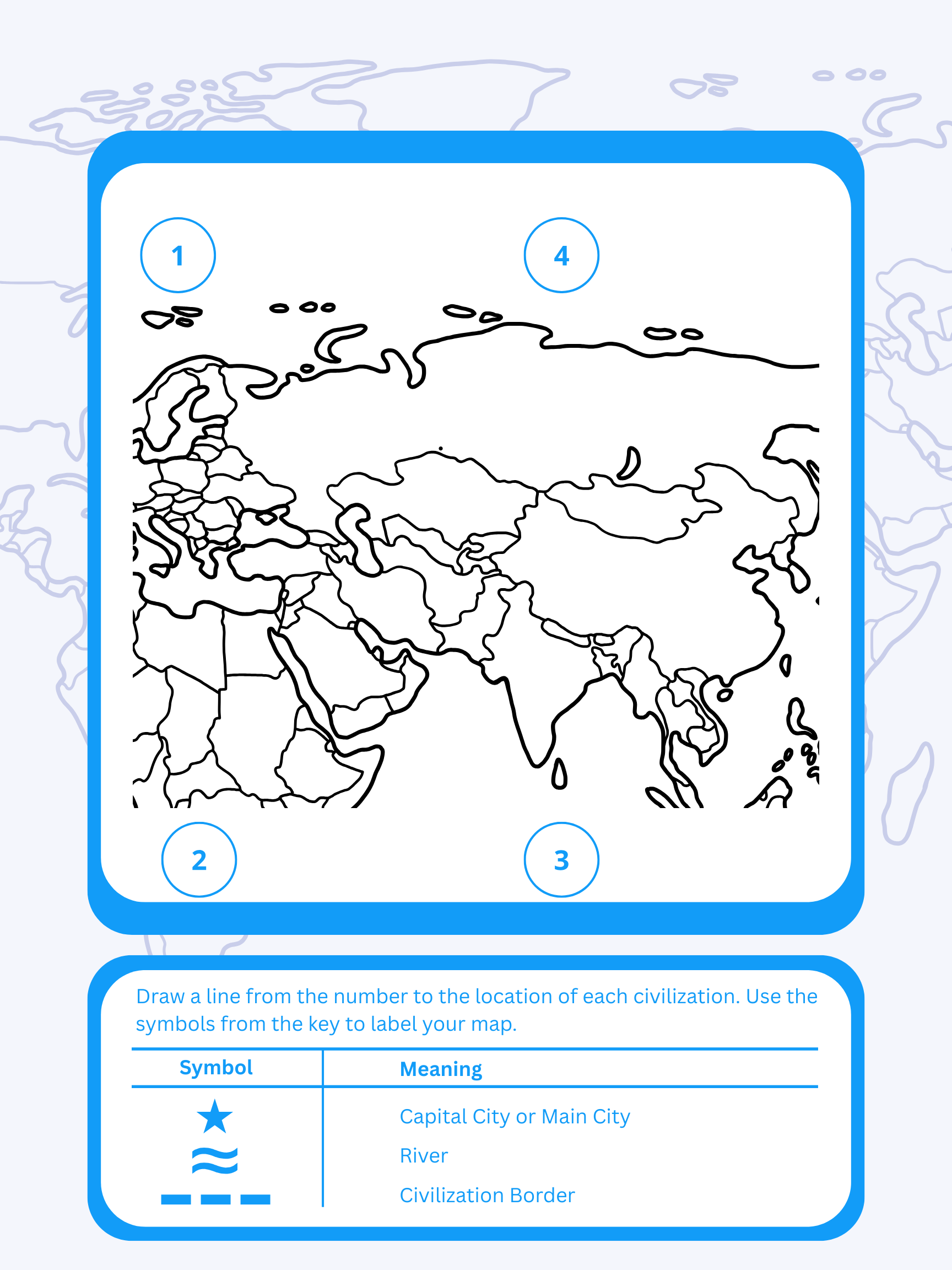
-
-
Primary Source: A record or object made during the time of the event, like a letter or photo.
Secondary Source: A source made after an event, like a textbook or documentary.
Civilization: A group of people living together with rules, jobs, buildings, and culture.
Irrigation: Moving water to dry areas using ditches or canals to help crops grow.
Silt: Rich soil left by flooding rivers that helps plants grow.
Loess: A soft, yellow soil found in China that is great for farming.
Pharaoh: A king of Ancient Egypt who was also seen as a god.
Dynasty: A family of rulers where power is passed down from one generation to the next.
Oracle Bones: Animal bones used in Ancient China to ask questions to ancestors.
Cuneiform: One of the earliest systems of writing, used in Mesopotamia.
Specialization: When people in a civilization do different jobs, like farming, building, or trading.
Artisan: A skilled worker who makes things by hand, like pottery or jewelry.
Trade: The exchange of goods or ideas between people or places.
River Valley: A low area near a river where many early civilizations began.
Fertile: Land that is good for growing crops.
Canal: A man-made water path used to move water for farming or travel.
Temple: A place where people worship gods or goddesses.
Scribe: A person trained to write and keep records in early civilizations.
Government: A system of rules and leaders that keeps order in a civilization.
Blueprint: A detailed plan for building something; in this case, a civilization’s structure.