

01 - Civilizations
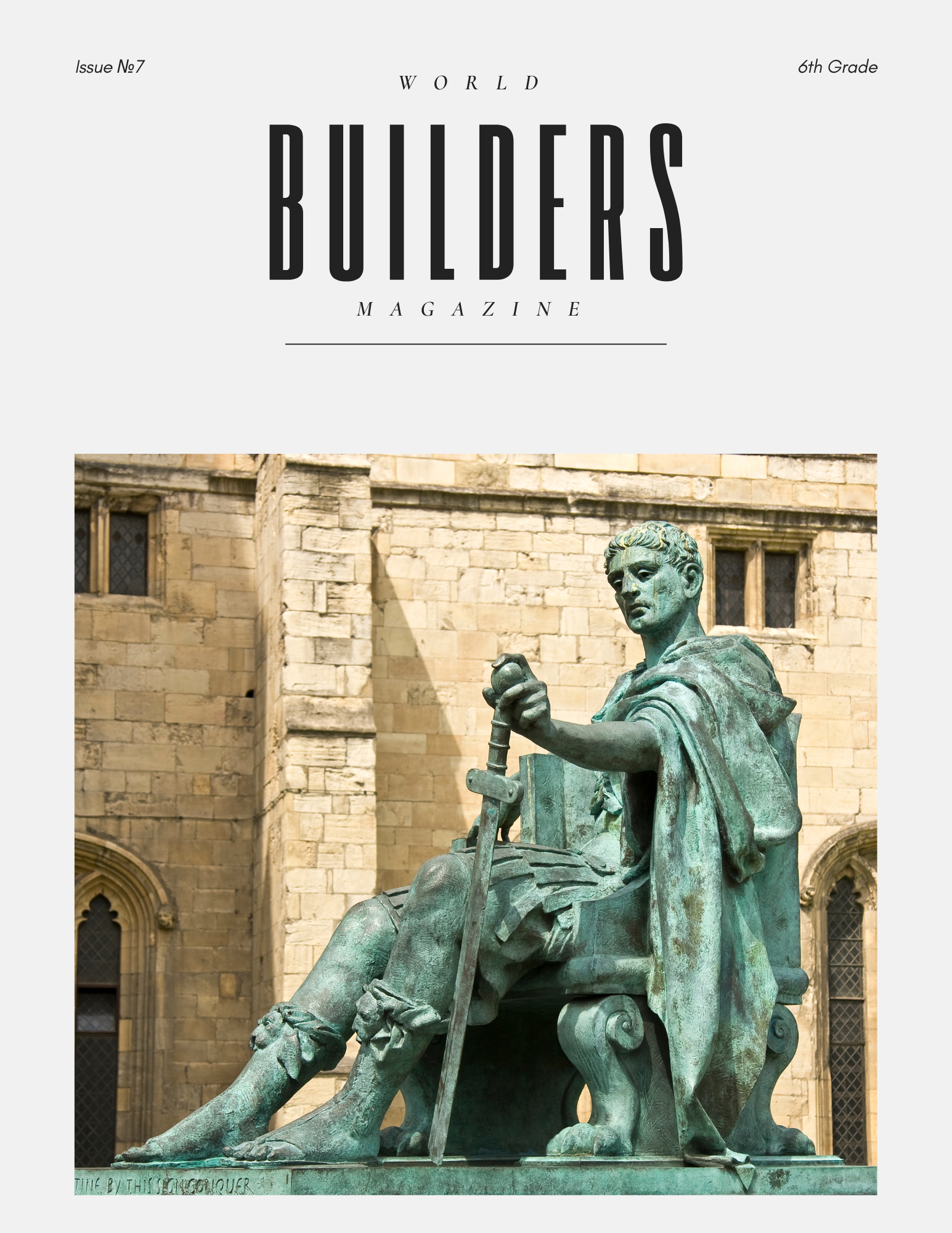
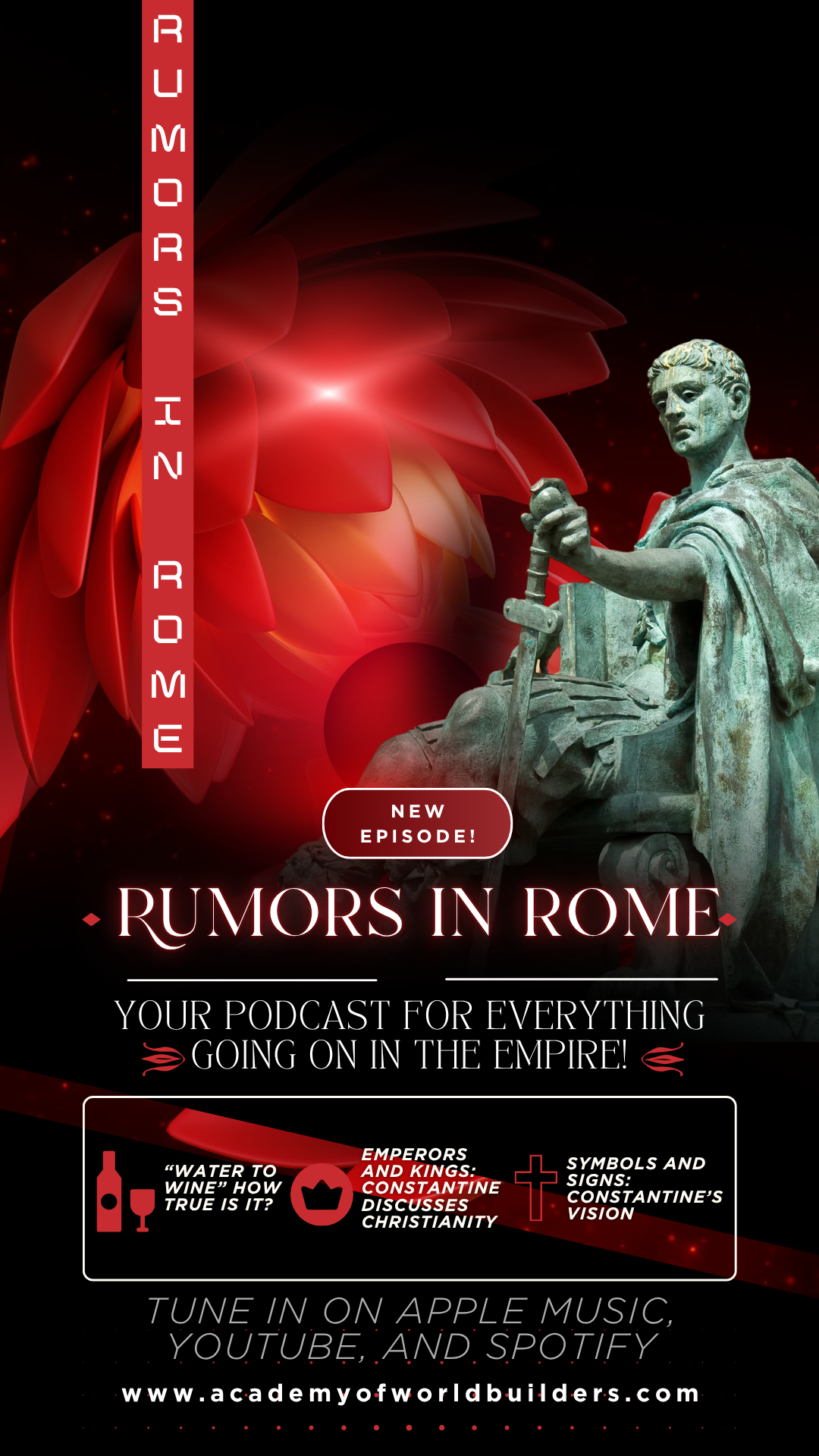
Constantine and the Legalization of Christianity
In this lesson, you’ll explore one of the most important turning points in Roman history: when Emperor Constantine changed the future of Christianity forever. For hundreds of years, Christians had been punished for their beliefs. But after a powerful vision before battle, Constantine made a bold decision that would impact the empire and the world.
As you read, pay attention to these key questions:
Who was Constantine, and what happened before the Battle of the Milvian Bridge?
What was the Edict of Milan, and how did it change the lives of Christians?
Why was the legalization of Christianity such a big deal for Roman society?
By the end of this lesson, you’ll understand how one emperor’s choice helped Christianity grow from a hidden faith into a powerful force in the Roman Empire and beyond.
Talk Show Script Planner Introduction
In this activity, you’ll step into the shoes of people living during one of the most important turning points in Roman history: the moment when Emperor Constantine legalized Christianity. You and your group will create a talk show panel where each person represents a different point of view from that time.
Your job is to work together to plan what your characters will say, using facts and ideas from Lesson 2: Constantine and the Legalization of Christianity. You’ll explore how this big decision affected different people and explain why it was such a major change for the Roman Empire. Use this planner to organize your questions, script your answers, and get ready to bring history to life!
-
Objective:
Students will demonstrate their understanding of Constantine’s role in legalizing Christianity and explore the perspectives of people living in the Roman Empire during this major transition.Materials Needed:
Character Role Cards
“Talk Show Script Planner” handout
Paper or digital tools for notes
Optional: name cards, props, or costume accessories for fun
Instructions
Assign Roles:
Students will divide into small groups of 4-5. Assign each group one "Talk Show" panel with the following roles:Host/Moderator
Emperor Constantine
Roman citizen who supports traditional gods
Christian believer (before the Edict of Milan)
Christian leader (after the Edict of Milan)
Plan the Talk Show:
Each group fills out the Talk Show Script Planner, which includes:A brief intro by the host
2-3 key questions for the guests (Example: “How did Constantine’s vision change the empire?” or “What was life like before Christianity was legal?”)
Responses for each character that include facts from the lesson
Perform the Talk Show:
Groups take turns presenting their talk shows as a podcast in breakout groups. Each character should speak at least once and provide historical evidence in their responses.Exit Reflection:
Individually, students complete a quick write:“Why was Constantine’s decision to legalize Christianity so important?”
“Whose point of view helped you understand this turning point the most, and why?”
-
Host / Moderator
What major change did Constantine make regarding religion in the Roman Empire?
Why do you think this turning point is still important today?
How did people in the empire react to the Edict of Milan?
Let’s hear what life was like before and after Christianity became legal.
Why do different groups view Constantine’s decision in different ways?
Emperor Constantine
What happened during your vision before the Battle of the Milvian Bridge?
Why did you decide to support Christianity?
How did you expect the Edict of Milan to help the empire?
Were you worried about upsetting Roman citizens who still followed the old gods?
What do you think your greatest legacy will be?
Roman Citizen Who Supports Traditional Gods
How did you feel when Christianity became legal?
Do you think this change was good or bad for Rome? Why?
How has daily life changed for people like you since Constantine's decision?
What do you miss about the old Roman traditions?
Do you trust Constantine’s choice, or do you feel left out of the new religious movement?
Christian Believer (Before the Edict of Milan)
What was life like before Christianity was legal?
Why did you choose to follow Jesus even though it was dangerous?
Where did you and other Christians meet in secret?
How did it feel to face arrest or punishment for your beliefs?
What are your hopes now that Christianity is finally accepted?
Christian Leader (After the Edict of Milan)
What changes have you seen since Christianity was legalized?
How has your role in the community changed?
Do you think Christianity will spread more now that it is protected by law?
What do you say to people who still follow Roman gods?
What are your hopes for the future of the Christian faith in Rome?
-
-
Christianity: A religion based on the teachings of Jesus of Nazareth.
Roman Empire: A large ancient empire that ruled much of Europe, North Africa, and the Middle East.
Jesus of Nazareth: The founder of Christianity, believed by Christians to be the Son of God.
Messiah: A savior or chosen one believed to bring peace and justice.
Paul the Apostle: A Christian leader who helped spread Christianity through letters and travel.
Persecution: Being treated badly or punished because of your beliefs.
Catacombs: Underground places where early Christians worshipped and buried their dead.
Constantine: A Roman emperor who made Christianity legal and helped it grow.
Edict of Milan: A law passed in 313 AD that allowed Christians to practice their religion freely.
Conversion: Changing from one religion or belief system to another.
Bishop: A high-ranking Christian leader in charge of churches in a region.
Byzantine Empire: The eastern part of the Roman Empire that lasted after the west fell.
Constantinople: The capital city of the Byzantine Empire, now called Istanbul.
Justinian: A Byzantine emperor known for organizing laws and building churches.
Justinian’s Code: A collection of Roman laws organized by Emperor Justinian.
Hagia Sophia: A famous church in Constantinople built under Justinian’s rule.
Mosaic: A picture made from small pieces of colored stone or glass.
Inflation: When prices go up and money loses value, making it harder to buy things.
Mercenary: A soldier who is paid to fight but may not be loyal to the country.
Barbarian: A name Romans gave to people from outside the empire, often invaders like the Visigoths or Huns.