The Age of Empires and Renewed Nationalism
Every lesson in this unit has its own card. Select a card to flip it, read what the lesson is about, then open the lesson when you are ready.
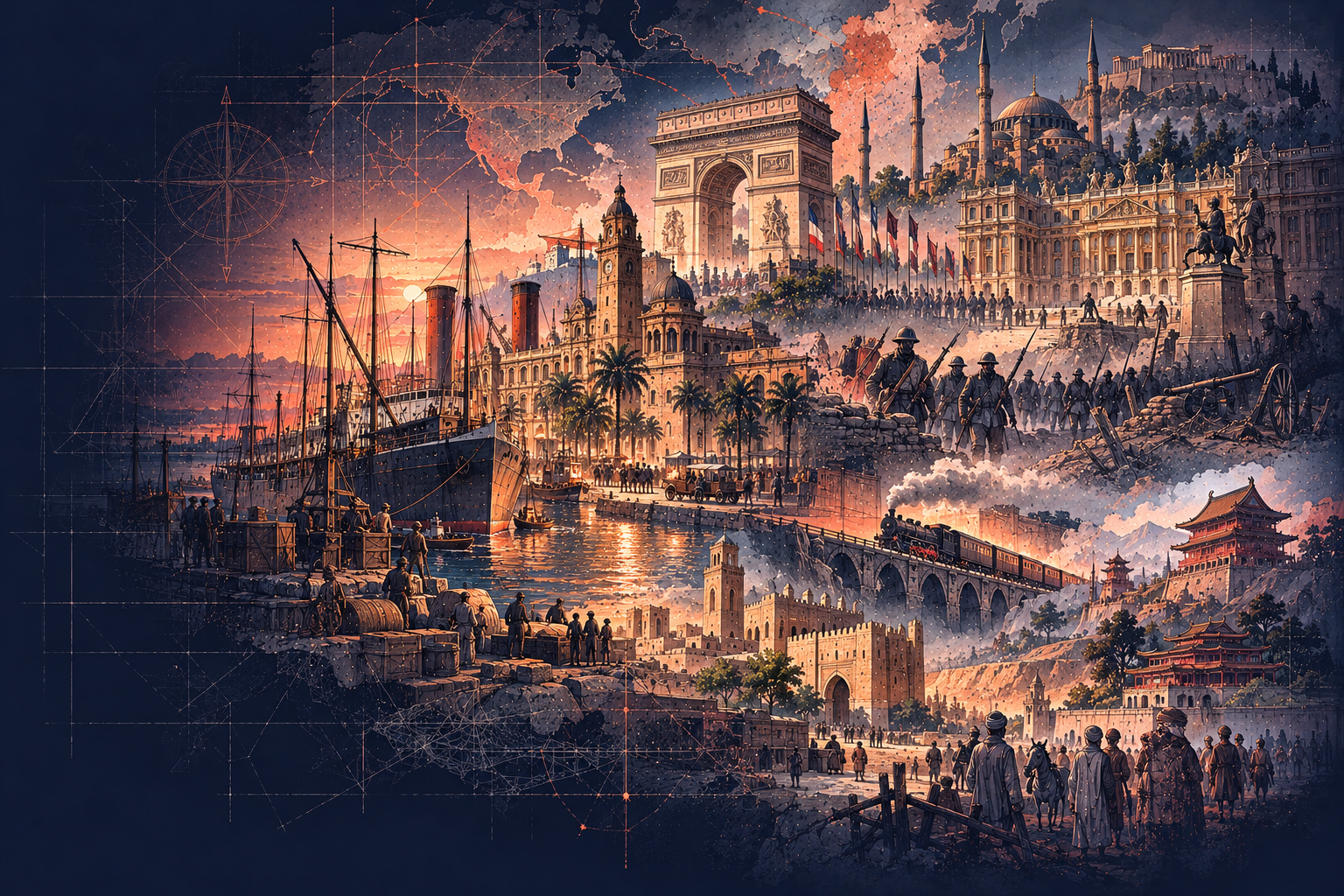
Lesson Card Summaries
Hover over a card to light it up. Select it to flip the card for the lesson summary.
 LESSON 7.1
The Race for Empire
Select for SummaryThe Race for Empire
Unit Launch, Motives for ImperialismBy the late 1800s, a handful of industrial nations set out to control most of the world. This unit asks one question from start to finish: how does the desire for power influence nations?
Header landmark: Royal Albert Dock warehouses — Liverpool (imperial trade port)
 LESSON 7.2
Africa on the Map Table
Select for SummaryAfrica on the Map Table
The Berlin Conference and the Partition of AfricaIn 1884, European diplomats met in Berlin to divide a continent none of them lived on. No African leader was invited.
Header landmark: Bismarck's Reich Chancellery conference room — Berlin (reconstruction)
 LESSON 7.3
The Right to Rule Themselves
Select for SummaryThe Right to Rule Themselves
African Resistance, the Zulu War and AdwaAfricans did not simply accept European rule. From the Zulu kingdom to Ethiopia, leaders and armies fought to protect their sovereignty.
Header landmark: Adwa Victory Memorial — Addis Ababa
 LESSON 7.4
The Jewel in the Crown
Select for SummaryThe Jewel in the Crown
British India, the Sepoy Rebellion and the RajIndia began as a trading partner of a British company and ended up as the most valuable colony in the British Empire. A rebellion in 1857 marked the turning point.
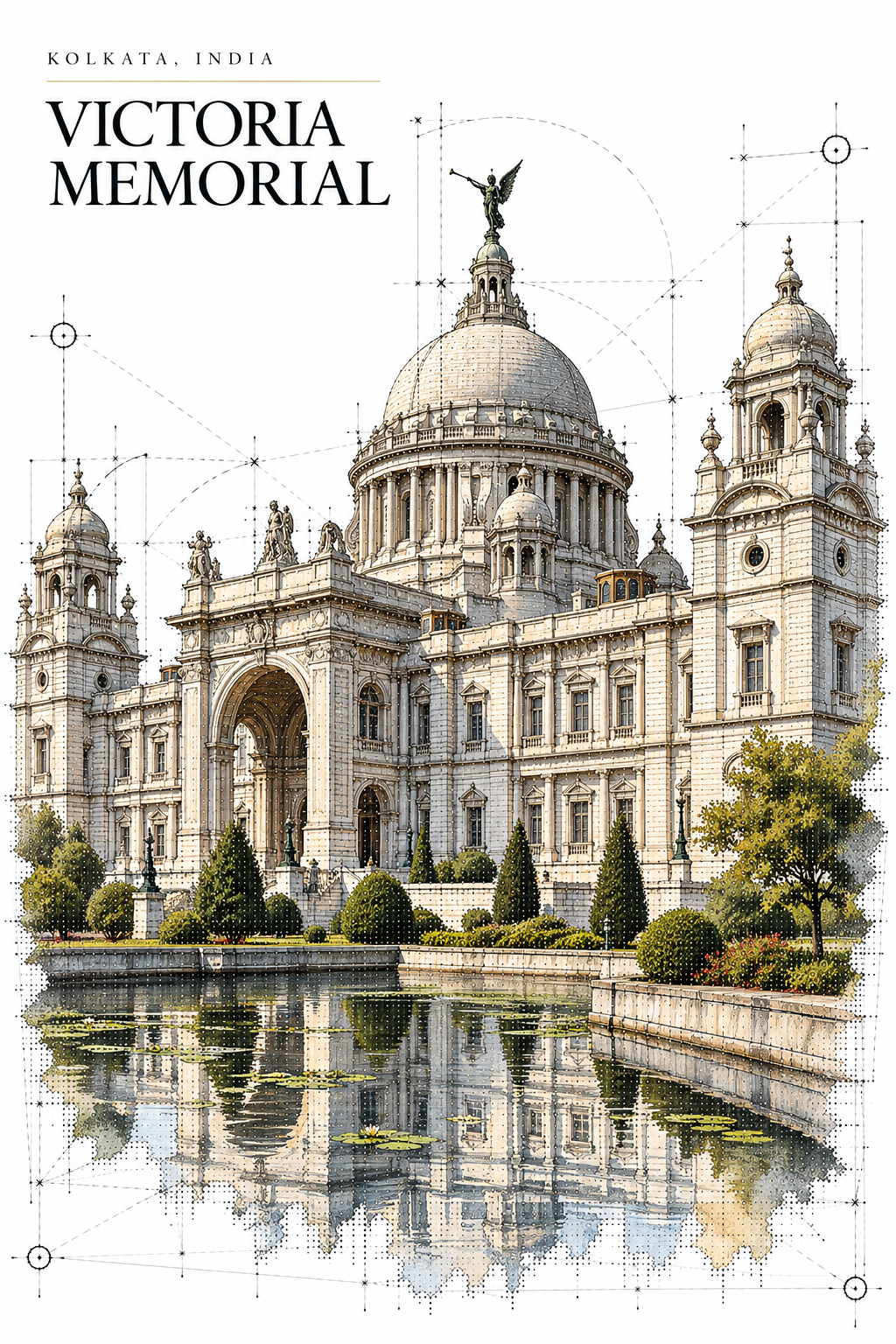
Header landmark: Victoria Memorial — Kolkata
 LESSON 7.5
Opium, Treaties, and the Boxers
Select for SummaryOpium, Treaties, and the Boxers
China, the Opium Wars and the Boxer RebellionChina had been one of the world's richest civilizations for centuries. In the 1800s, a drug, two wars, and a string of unequal treaties weakened it from the inside and outside.
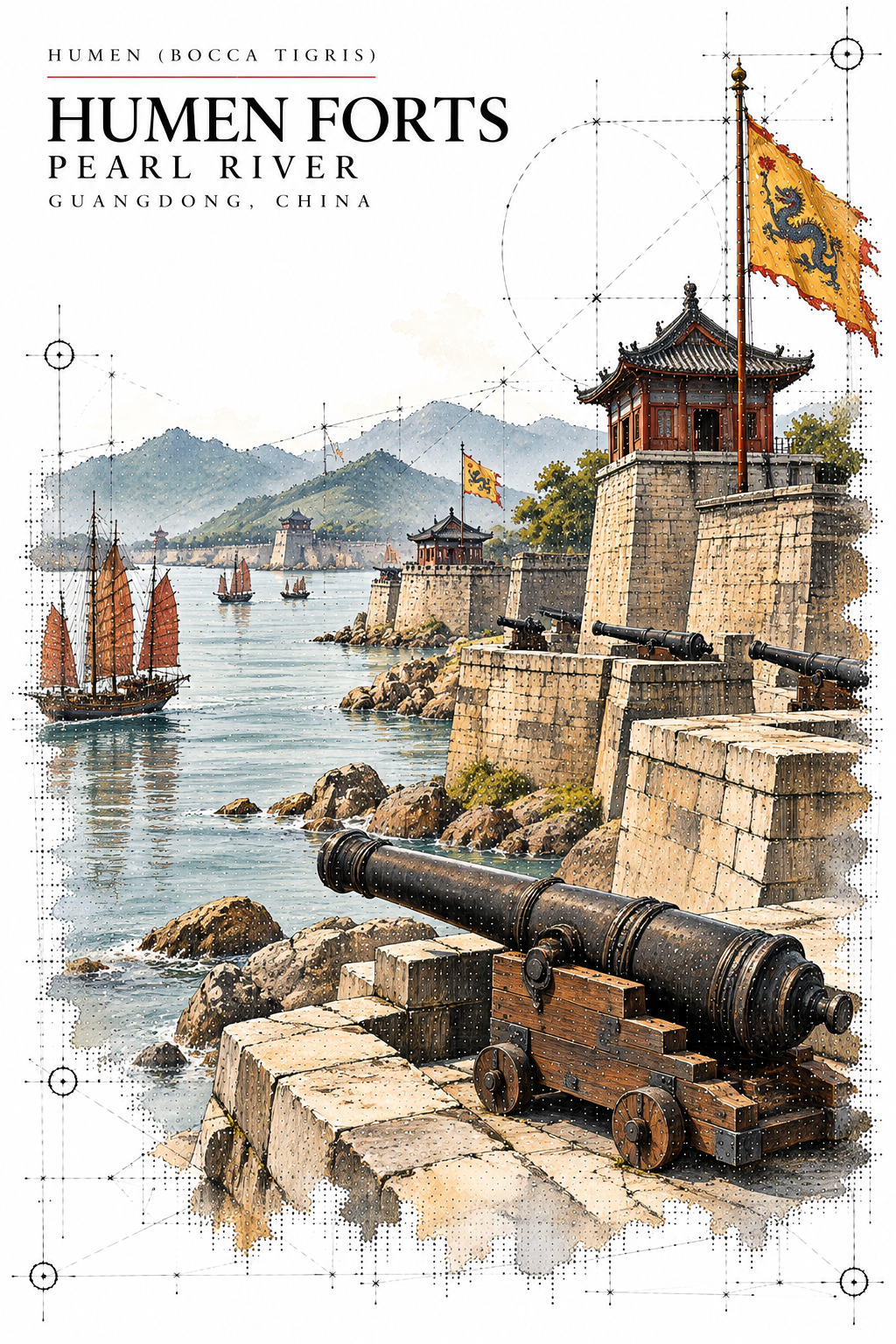
Header landmark: Humen (Bocca Tigris) forts on the Pearl River — Guangdong
 LESSON 7.6
Modernize or Be Colonized
Select for SummaryModernize or Be Colonized
Japan, the Meiji Restoration and Japanese ImperialismJapan watched China lose control of its own ports and chose a different path. In one generation it transformed itself into an industrial power, and then into an empire of its own.
Header landmark: Tomioka Silk Mill — Japan (Meiji-era factory)
 LESSON 7.7
Voices of Empire
Select for SummaryVoices of Empire
Perspectives Skill Practice, Imperialism and Its CriticsThe people who built empires and the people who lived under them told very different stories. Today you weigh those stories as a historian.
Header landmark: Royal Museum for Central Africa — Tervuren, Belgium (now reckoning with its colonial past)
 LESSON 7.8
A Spark in the Balkans
Select for SummaryA Spark in the Balkans
World War I, M.A.I.N. Causes and the AssassinationBy 1914, Europe was a room full of gunpowder. One assassination in the Balkans lit the match, and within weeks the great powers were at war.
Header landmark: Latin Bridge — Sarajevo
 LESSON 7.9
Total War
Select for SummaryTotal War
World War I, Weapons Technology, Women, and the Zimmermann TelegramThe war everyone expected to end by Christmas lasted four years. New weapons, whole economies, and millions of women were pulled into a total war.
Header landmark: Thiepval Memorial to the Missing of the Somme — France
 LESSON 7.10
A Peace That Planted a War
Select for SummaryA Peace That Planted a War
The Treaty of Versailles, the League of Nations, and the Progression of NationalismThe war ended in 1918, but the peace treaty that followed angered the losers, disappointed many winners, and redrew the map of Europe. Today you trace nationalism from the 1800s to Versailles.
Header landmark: Hall of Mirrors, Versailles (signing of the 1919 treaty)
 LESSON 7.11
Workers of the World
Select for SummaryWorkers of the World
The Russian Revolution, the Rise of Communism, and StalinWorld War I broke Russia. Out of the collapse came the world's first communist state, and a dictator who would rule it through fear.
Header landmark: Winter Palace — St. Petersburg
 LESSON 7.12
The Whole World Goes Broke
Select for SummaryThe Whole World Goes Broke
The Great Depression as a Global Turning PointIn October 1929, the American stock market crashed. Because the world's economies were now connected, the crash spread across oceans.
Header landmark: New York Stock Exchange, Wall Street
 LESSON 7.13
The Strongman's Promise
Select for SummaryThe Strongman's Promise
The Rise of Fascism in Italy and GermanyHunger, unemployment, and wounded national pride opened the door for leaders who promised to make their nations great again, at any cost.
Header landmark: Palazzo della Civiltà Italiana — Rome (fascist-era architecture)
 LESSON 7.14
The World at War Again
Select for SummaryThe World at War Again
Nationalism in World War II, Causes and EffectsTwenty years after the war that was supposed to end all wars, aggressive nationalism plunged the world into an even larger conflict.
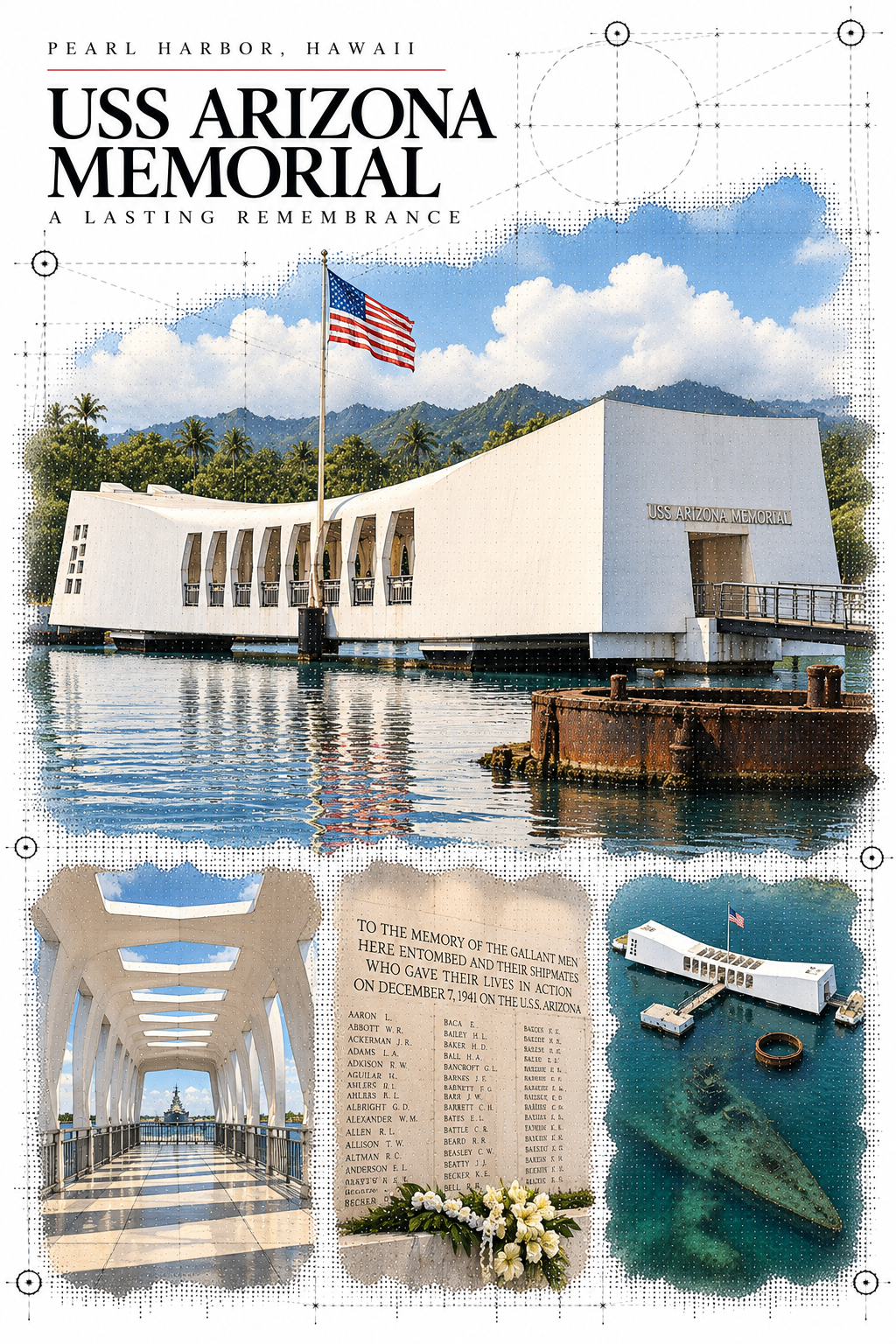
Header landmark: USS Arizona Memorial — Pearl Harbor
 LESSON 7.15
Life Before, and the Laws That Followed
Select for SummaryLife Before, and the Laws That Followed
The Holocaust I, Jewish Life in Europe, the Nazi Party, and the Nuremberg LawsBefore the Holocaust, Jewish communities had lived in Europe for over a thousand years. Today you learn about those lives and how the Nazis stripped away their rights step by step.
Header landmark: New Synagogue — Berlin (Oranienburger Strasse)
 LESSON 7.16
Never Again
Select for SummaryNever Again
The Holocaust II, the Camps, the World's Response, and the Nuremberg TrialsSix million Jewish people and millions of others were murdered in the Holocaust. Today you examine how the world responded, before, during, and after.
Header landmark: Yad Vashem Hall of Names — Jerusalem
 LESSON 7.17
An Iron Curtain Descends
Select for SummaryAn Iron Curtain Descends
The Cold War Begins, the UN, the Marshall Plan, NATO, and the Arms RaceThe United States and the Soviet Union won the war as allies, then faced each other as rivals. For forty years, they competed everywhere except on a direct battlefield.
Header landmark: Brandenburg Gate with the Berlin Wall (1961 to 1989)
 LESSON 7.18
Hot Spots in a Cold War
Select for SummaryHot Spots in a Cold War
Korea, Vietnam, Cuba, and New NationsThe superpowers never fought each other directly, but millions died in wars where their rivalry turned hot.
Header landmark: Joint Security Area at Panmunjom — Korean DMZ
 LESSON 7.19
The Wall Comes Down
Select for SummaryThe Wall Comes Down
Afghanistan, Gorbachev, and the Fall of the Soviet UnionIn 1989, crowds tore down the Berlin Wall with hammers. Two years later, the Soviet Union itself disappeared. How did a superpower collapse without a world war?
Header landmark: East Side Gallery (Berlin Wall remnant)
 LESSON 7.20
Power, Pride, and the Price of Empire
Select for SummaryPower, Pride, and the Price of Empire
Unit Synthesis, Answering the Overarching Inquiry QuestionFrom the Berlin Conference to the Berlin Wall, this unit followed nations reaching for power. Today you answer the question you started with, using evidence from every section.
Header landmark: Split header: Berlin Conference (1884) | Berlin Wall (1989)