The Industrial Revolution
Every lesson in this unit has its own card. Select a card to flip it, read what the lesson is about, then open the lesson when you are ready.

Lesson Card Summaries
Hover over a card to light it up. Select it to flip the card for the lesson summary.
 LESSON 6.1
From Farms to Factories
Select for SummaryFrom Farms to Factories
Unit Launch, Framing the Industrial RevolutionIn little more than a century, machines replaced hand tools, factories replaced farms as the center of daily work, and humanity's relationship with energy, labor, and the environment changed forever. This unit follows that turning point, and asks what it cost.
Header landmark: The Iron Bridge — Coalbrookdale, England
 LESSON 6.2
The Machines Arrive
Select for SummaryThe Machines Arrive
Textile Technology, Spinning Jenny and Steam EngineIt started with cloth. A handful of British inventions turned spinning and weaving from a slow home craft into a machine-powered industry, and one invention, the steam engine, gave that industry a power source that never got tired.
Header landmark: Cromford Mill — Derbyshire (Arkwright's water-powered mill)
 LESSON 6.3
Interchangeable Parts, Interchangeable Workers
Select for SummaryInterchangeable Parts, Interchangeable Workers
Iron, Steel, and the Division of LaborSteam power was only half the story. A second wave of innovation, interchangeable parts, cheap steel, and a strict division of labor, turned factories into something closer to the assembly lines of the modern world.
Header landmark: Sloss Furnaces National Historic Landmark — Birmingham, Alabama
 LESSON 6.4
Railroads Connect the World
Select for SummaryRailroads Connect the World
Transportation Revolution and Global SpreadA factory is only as useful as its ability to move goods, coal, and workers. Railroads solved that problem on land, and the Industrial Revolution's methods spread far beyond Britain, reaching continental Europe, the United States, and Meiji Japan.
Header landmark: Chhatrapati Shivaji Maharaj Terminus (Victoria Terminus) — Mumbai
 LESSON 6.5
Summarize the Turning Point
Select for SummarySummarize the Turning Point
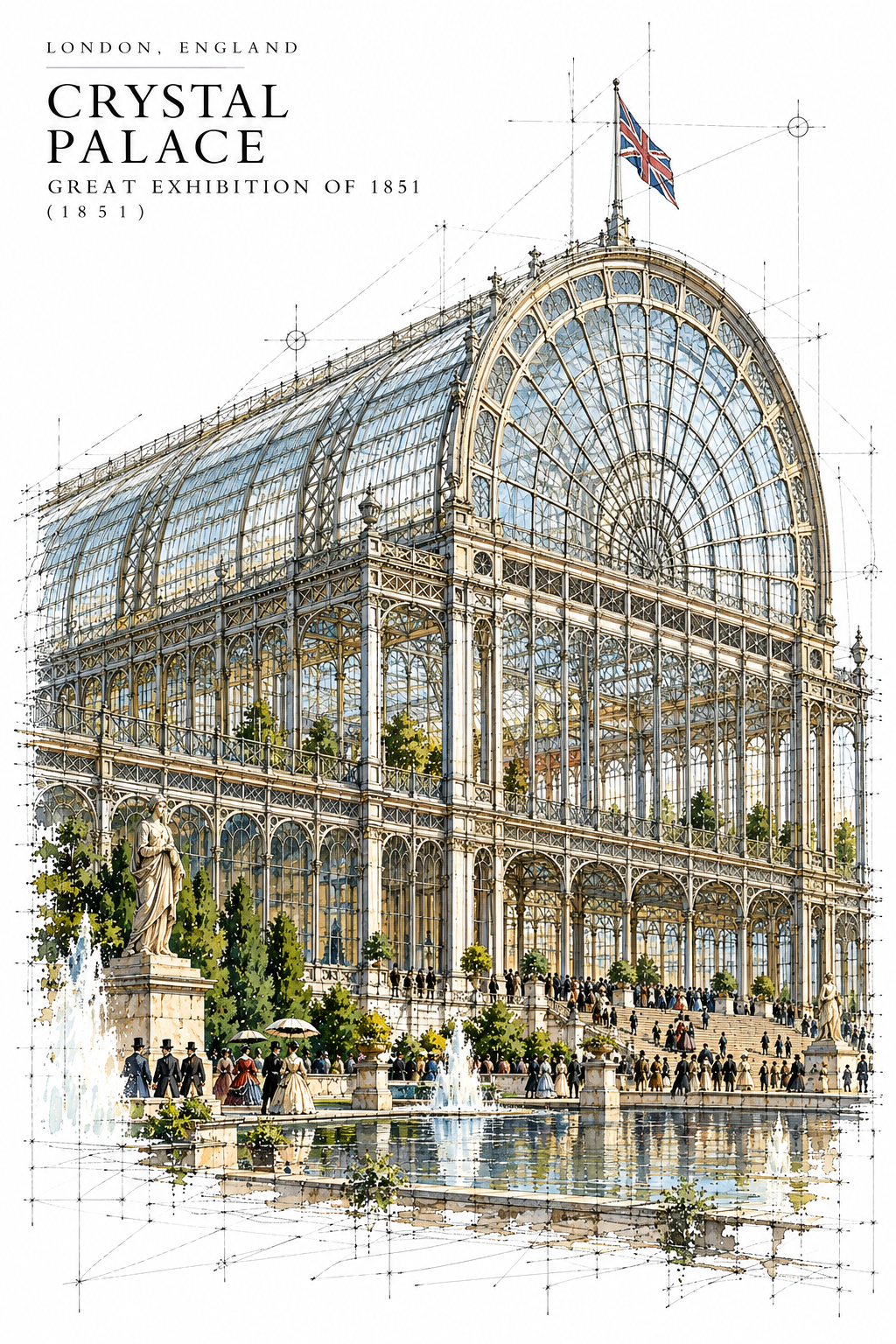
Periodization Skill Practice, Local and Global ImpactsYou have traced the machines, the materials, and the railroads that launched the Industrial Revolution. Today you formally summarize its local and global impacts, using standard 6.4.P.
Header landmark: Crystal Palace, Great Exhibition of 1851 — London
 LESSON 6.6
Cities Swell
Select for SummaryCities Swell
Migration and UrbanizationFactories needed workers, and workers needed jobs. That simple exchange pulled millions of people from farms into cities faster than those cities were prepared to house them.
Header landmark: Ellis Island Immigration Station Great Hall — New York
 LESSON 6.7
Life in the Industrial City
Select for SummaryLife in the Industrial City
Tenements, Pollution, and Public HealthRapid urban growth without matching investment in housing or sanitation created some of the worst living conditions in modern history, right in the same cities driving the era's economic growth.
Header landmark: Tenement Museum at 97 Orchard Street — New York
 LESSON 6.8
The Cost Beneath the Coal
Select for SummaryThe Cost Beneath the Coal
Coal, Deforestation, and Early Environmental TollCoal powered nearly everything about the Industrial Revolution, but burning it and clearing land to fuel this growth left an environmental mark that would only become fully visible generations later.
Header landmark: Big Pit National Coal Museum — Blaenavon, Wales
 LESSON 6.9
Contextualizing the Environmental Impact
Select for SummaryContextualizing the Environmental Impact
Context Skill Practice, Environmental Impact of IndustrializationYou have traced urban growth, pollution, and the hidden environmental cost of coal. Today you formally contextualize that impact, using standard 6.4.CX, connecting historic conditions to the world we live in now.
Header landmark: Abbey Mills Pumping Station — London (Bazalgette's sewer response)
 LESSON 6.10
Small Hands, Long Hours
Select for SummarySmall Hands, Long Hours
Child Labor, Evidence and PerspectiveFactories needed cheap, small, obedient workers, and children fit that need. Their labor helped power the Industrial Revolution's growth, at a cost historians can only fully understand through the evidence survivors left behind.
Header landmark: Quarry Bank Mill and Apprentice House — Styal, England
 LESSON 6.11
Working Conditions and the Rise of Unions
Select for SummaryWorking Conditions and the Rise of Unions
Labor Organizing, Evidence and PerspectiveLong hours, dangerous machinery, and low pay pushed adult workers toward a new tool: organizing together. Unions and strikes gave workers a collective voice factory owners could not simply ignore.
Header landmark: Haymarket Martyrs' Memorial — Chicago
 LESSON 6.12
Reformers Answer Back
Select for SummaryReformers Answer Back
Labor Reform and the Role of WomenNot everyone accepted industrial conditions as inevitable. Reformers, many of them women, gathered evidence, wrote exposes, and pushed governments toward the first real labor protections.
Header landmark: Hull House — Chicago
 LESSON 6.13
Weighing the Evidence
Select for SummaryWeighing the Evidence
Evidence Skill Practice, Perspectives on Industrial LaborYou have read testimony from child workers, striking adults, and reformers. Today you formally weigh that evidence, using standard 6.4.E, to build a defensible claim about industrial working life.
Header landmark: Houses of Parliament — London (where the Factory Acts passed)
 LESSON 6.14
Bigger, Faster, Riskier
Select for SummaryBigger, Faster, Riskier
Monopolies, Overproduction, and the Cost of GrowthAs industries matured, some companies grew so large they controlled entire markets, and factories sometimes produced more than markets could absorb. Both patterns reveal what happens when growth outruns limits.
Header landmark: Standard Oil Building, 26 Broadway — New York
 LESSON 6.15
From Coal to Oil
Select for SummaryFrom Coal to Oil
Non-Renewable Energy and Global InterdependenceAs economies grew more industrial, coal was joined and increasingly replaced by oil and gas, non-renewable resources that tied nations together, and against one another, through global energy markets.
Header landmark: Lucas Gusher at Spindletop — Beaumont, Texas (1901)
 LESSON 6.16
The World Responds
Select for SummaryThe World Responds
Global Environmental AccordsBy the late 20th century, the environmental cost first set in motion during the Industrial Revolution had become impossible to ignore, and nations began negotiating global agreements to address it together.
Header landmark: Kyoto International Conference Center — Japan
 LESSON 6.17
Contextualizing Sustainability
Select for SummaryContextualizing Sustainability
Context Skill Practice, Sustainability Amid Global InterdependenceYou have traced unchecked growth, energy interdependence, and global environmental accords. Today you formally contextualize sustainability efforts, using standard 6.5.CX, distinguishing developments by time and place.
Header landmark: Gardens by the Bay Supertrees — Singapore
 LESSON 6.18
The Information Age Begins
Select for SummaryThe Information Age Begins
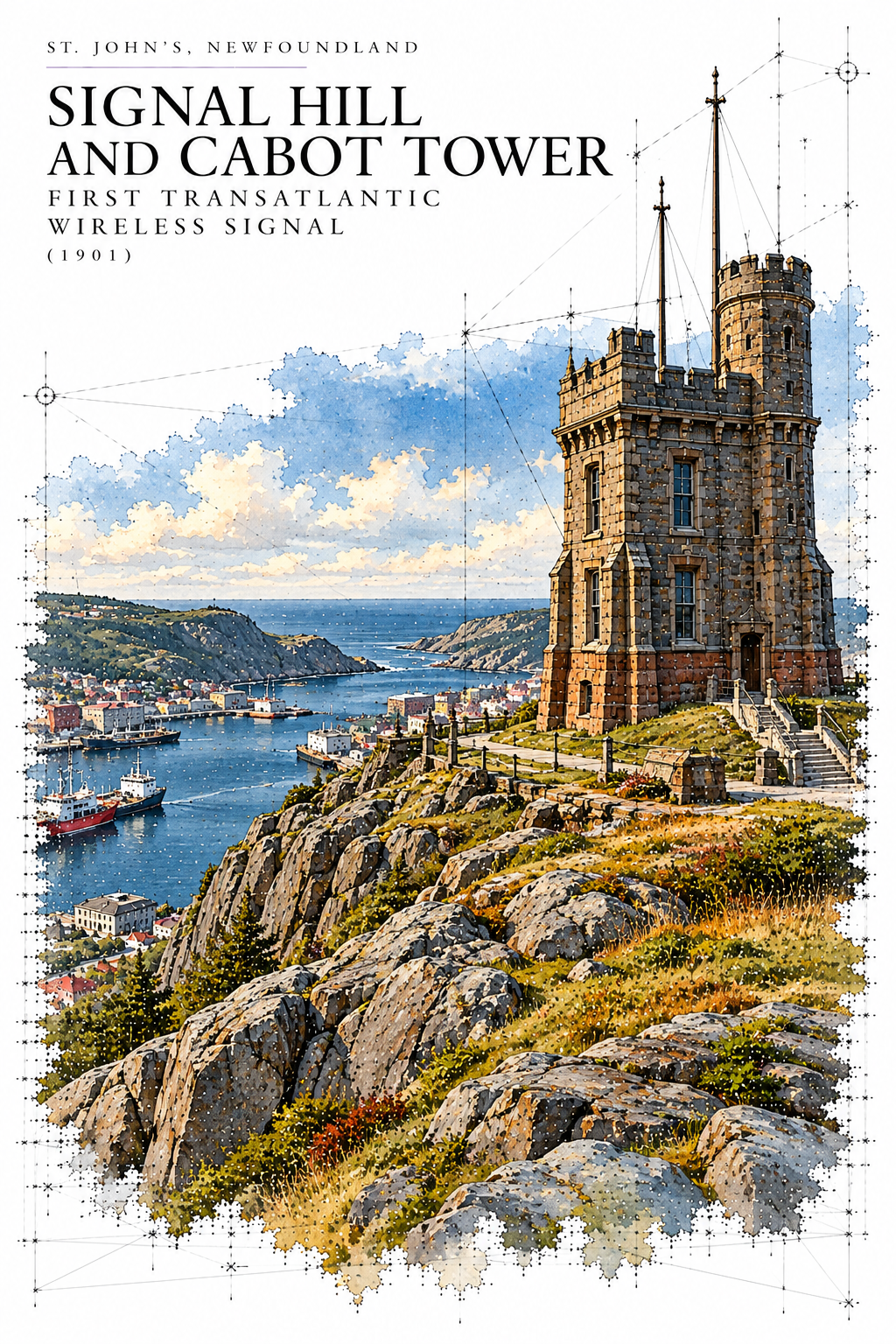
Radio, Telephone, and TelevisionThe same forces of industry and global interdependence that built factories and railroads went on to build something different: technology that let information itself travel faster than any train or ship ever could.
Header landmark: Signal Hill and Cabot Tower — St. John's, Newfoundland (first transatlantic wireless signal, 1901)
 LESSON 6.19
The Personal Computer and the Internet
Select for SummaryThe Personal Computer and the Internet
Computing and Global ConnectivityBroadcasting let one source reach many listeners at once. The personal computer and the internet did something radio and television never could: they let millions of people become sources themselves.
Header landmark: CERN — Geneva (birthplace of the World Wide Web)
 LESSON 6.20
Life Online
Select for SummaryLife Online
Social Media, Digital Footprint, and CybersecurityThe internet did not stop at connecting computers. It created entirely new spaces, social media platforms, where billions of people now share, argue, organize, and leave behind a permanent record of themselves.
Header landmark: Rows of servers inside a modern data center
 LESSON 6.21
Tracing the Progression
Select for SummaryTracing the Progression
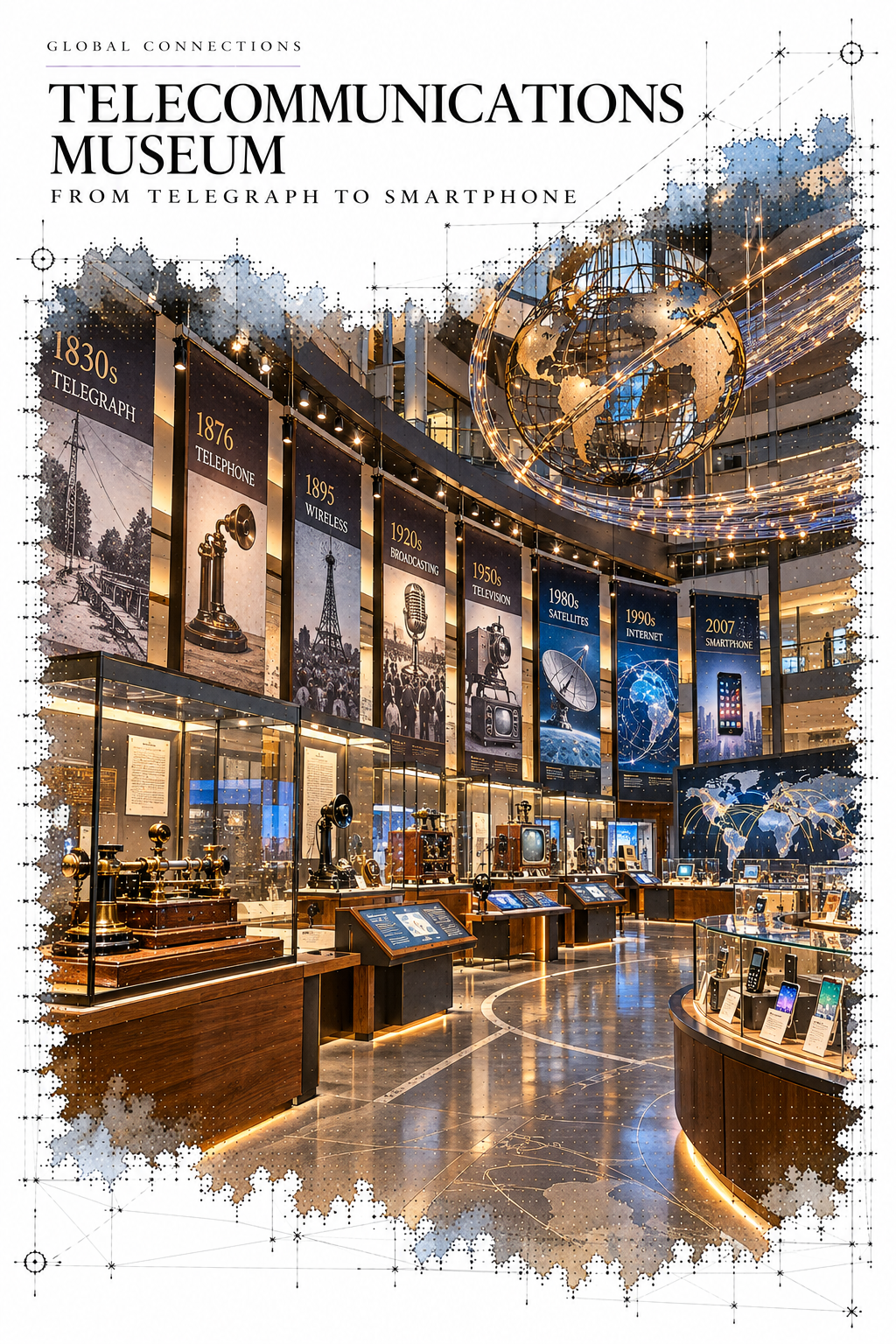
Continuity and Change Skill Practice, Technology and Cultural DiffusionYou have traced technology from the telephone to social media. Today you formally analyze that progression, using standard 6.5.CC, identifying theme-based patterns of continuity and change.
Header landmark: Telecommunications museum exhibit hall (telegraph to smartphone)
 LESSON 6.22
Renewable Paths Forward
Select for SummaryRenewable Paths Forward
Renewable Energy, Recycling, and Sustainable ConsumptionThis unit opened with coal-powered factories and closes by asking what comes next. Renewable energy, recycling, and more thoughtful consumption offer one possible answer to the overarching inquiry question.
Header landmark: Noor Ouarzazate Solar Complex — Morocco
 LESSON 6.23
The Argument You Have Been Building
Select for SummaryThe Argument You Have Been Building
Unit Synthesis and Final ArgumentYou have traced this unit from the steam engine to social media, from child labor testimony to global climate accords. Today you answer the question the whole unit was built around: how can industry and consumers engage in sustainable production and consumption?
Header landmark: Split header: the Iron Bridge (1779) | an offshore wind farm